Yoga for Beginners: You Don't Have to Touch Your Toes
16 July 2026
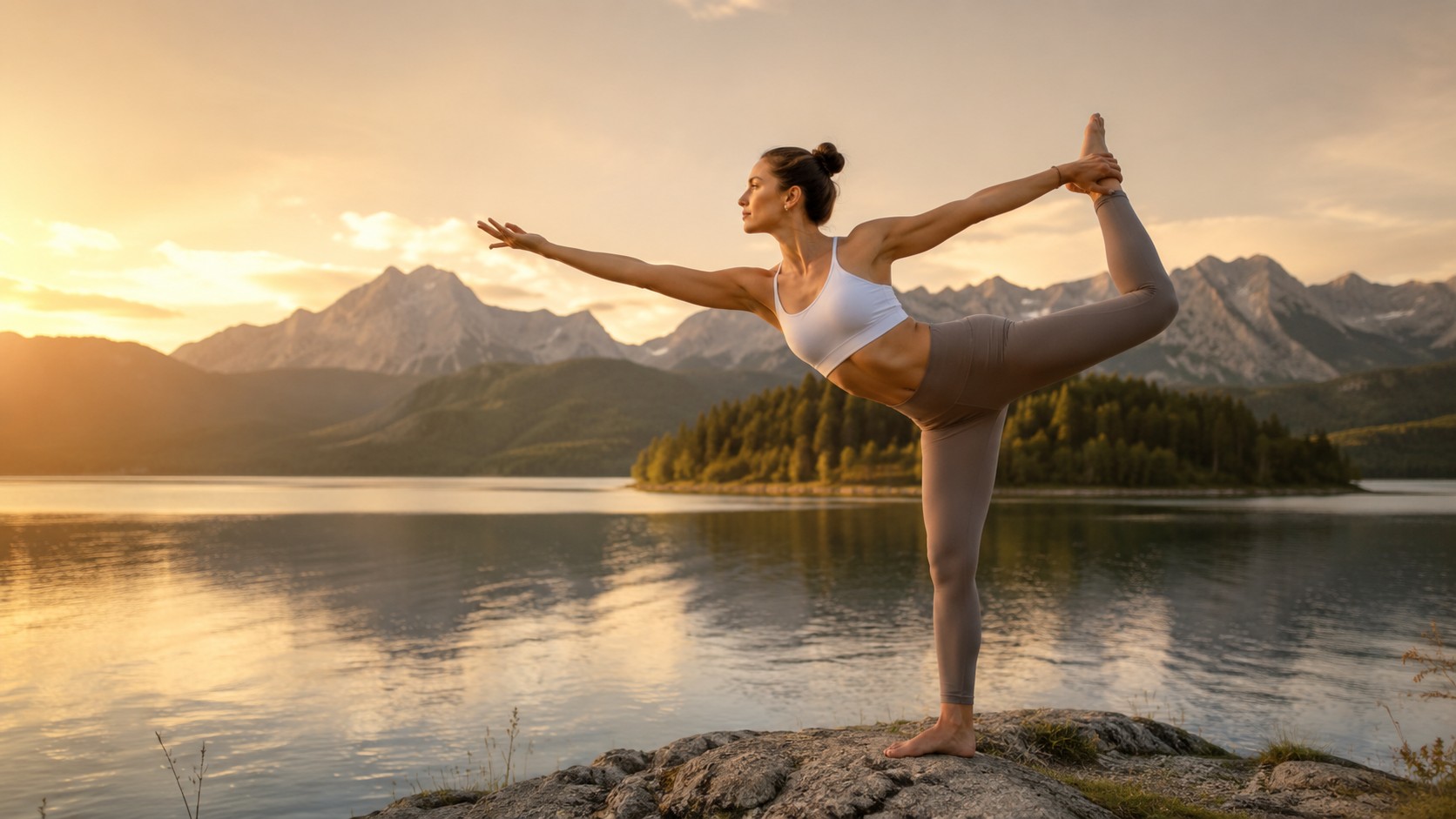
The number one myth about yoga: "I'm not flexible enough to practice." That's like saying you're too dirty to take a shower. Flexibility is a result of yoga, not a prerequisite.
What yoga really is
Yoga is an ancient Indian practice, several thousand years old, which originally combined philosophy, ethics, breath and meditation — the physical postures (asanas) were only one branch. What most of us today call "yoga" is mainly that physical branch: postures plus breath, done with attention.
And that's okay. The evidence for the benefits of physical practice is strong: regular yoga is associated with improved flexibility and strength, reduced chronic low back pain (it appears in clinical guidelines for the condition), lower stress levels and better sleep. It's not a cure-all, but for such an inexpensive habit it rightfully has a good reputation.
Styles: Which door to walk through
Hatha — slow pace, basic poses held for a few breaths. A classic choice for beginners.
Vinyasa — poses linked in flowing sequences synchronized with the breath. More dynamic, closer to cardio.
Yin — very slow; passive floor poses held for 3–5 minutes. Deep stretching, very calming.
Ashtanga — a fixed, demanding sequence, the same every time. Structured and sweaty; better after gaining experience.
If in doubt: start with hatha or classes labeled "for beginners", preferably live — a teacher who can see you will catch things a video won't.
Five poses worth knowing
Mountain Pose (Tadasana) — simply standing, but mindful: feet firmly on the floor, spine long, shoulders relaxed. A reference point for everything else.
Child's Pose (Balasana) — kneeling, folding forward, forehead towards the floor, arms extended or alongside the body. A universal "pause button" — you can return to it at any time during class.
Cat–Cow (Marjaryasana–Bitilasana) — on all fours, alternately arching and rounding the spine in time with the breath. The friendliest warm-up for stiff backs.
Downward-Facing Dog (Adho Mukha Svanasana) — an inverted V: hands and feet on the floor, hips high. Beginners: feel free to bend your knees. Heels don't have to touch the floor — maybe never.
Corpse Pose (Savasana) — lying flat at the end of the practice and doing absolutely nothing. Sounds banal; for many people it's the hardest pose.
Common mistakes
Comparing yourself to others. The person next to you, folded in half, has different hips, a different history, maybe ten years of practice. Their pose says nothing about yours.
Pushing into pain. A feeling of stretching: fine. Sharp, stabbing pain or joint pain: stop. "No pain, no gain" is terrible advice in yoga — tissues adapt slowly, and an injury sets you back months.
Holding your breath. People reflexively freeze their breath with effort. If you can't breathe smoothly in a pose, you've gone too deep. Back off a bit.
Skipping savasana. Leaving before the final rest is like turning off a film five minutes before the end. Calming the nervous system is part of the point of the whole practice.
An all-or-nothing plan. Two 20-minute sessions a week that actually happen beat a daily 90-minute plan that falls apart on Thursday.
Treating props like failures. Blocks, straps and blankets are not training wheels — advanced practitioners use them all the time. They make the pose work correctly for your body.
How to start this week
1. Find a beginner hatha class nearby or a reliable beginner video series.
2. Wear anything you can move in. A mat helps; to start, a rug is enough.
3. Don't eat a large meal about 2 hours before practice.
4. Tell the teacher it's your first time — they'll suggest modifications.
5. Come back within 3 days. The second session is when things start to make sense